
How to Start a Home Herbal Apothecary (A Real Beginner's Guide)
Jul 17, 2026By Selima Harleston-Lust, Clinical Herbalist
Published: July 17, 2026 | Evidence reviewed: July 17, 2026
Quick answer: Start with five to eight versatile, gentle herbs like chamomile, elderberry, calendula, ginger, and peppermint, stored in labeled glass jars away from heat and light. You do not need a dedicated room, a large budget, or years of study to begin. You need a shelf, a few good jars, and the willingness to start low and go slow with the plants you choose.
You have been wanting to build your own home apothecary, but every time you look it up, it gets complicated. A hundred herbs, a dozen preparation methods, words you have never seen before. You do not need any of that to begin.
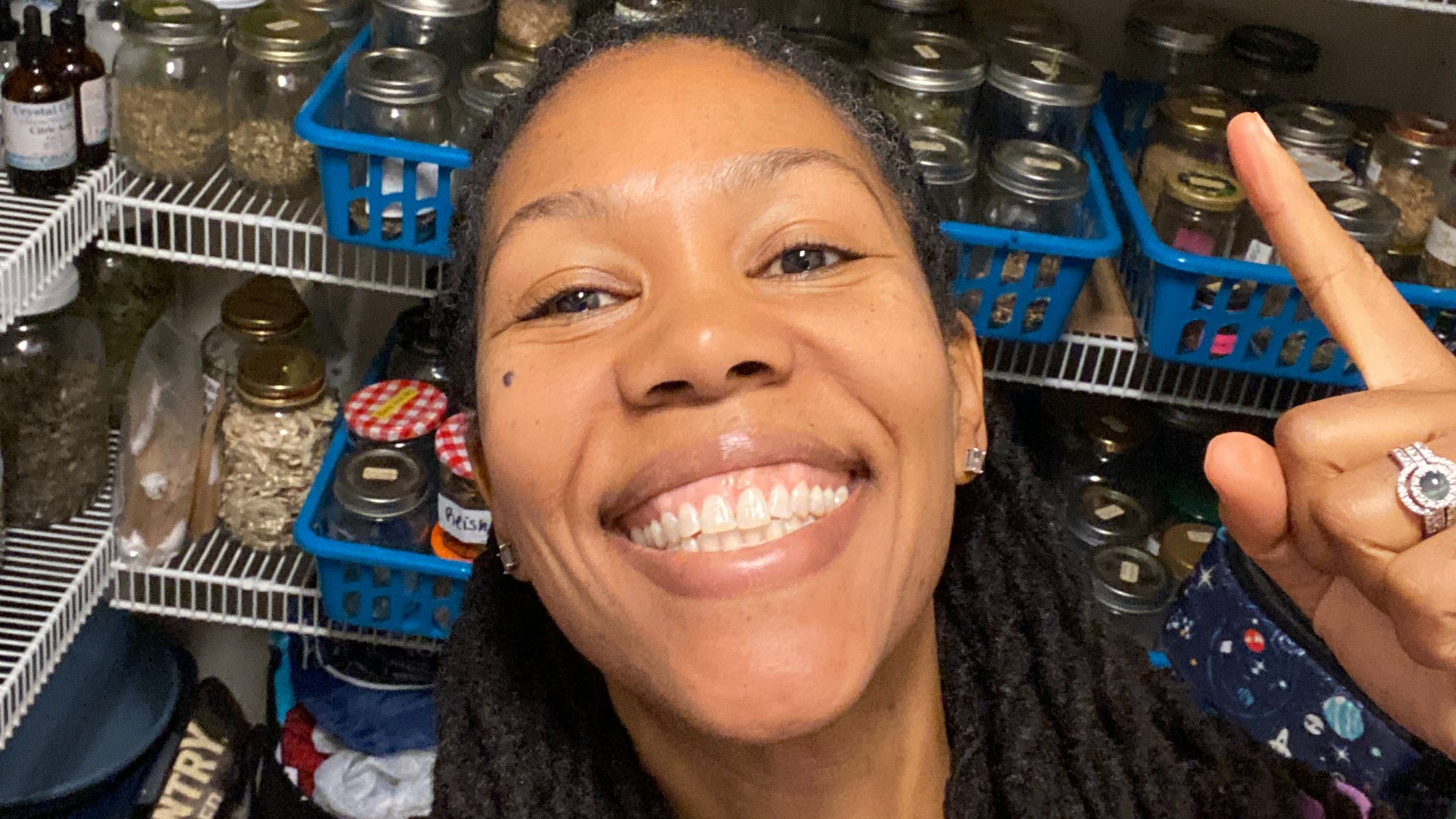
I remember standing in my own kitchen years ago, completely overwhelmed by all of the herbs I was told I needed to "master" if I wanted to be a respected herbalist. Hundreds of herbs, plus specialized equipment I did not own, and materia medica I had not read yet. I put it all down and started with three jars. Chamomile, because I already drank it as tea. Elderberry, because cold season was coming. Calendula, because I wanted my acne-prone skin to start glowing again.
How do I start a home herbal apothecary as a beginner?
Start with a small number of herbs you already use or clearly need, learn one or two basic preparations like tea and tincture, and grow from there rather than trying to stock a full apothecary all at once. A corner of a kitchen cabinet is enough space. You are not building a pharmacy on day one. You are building a relationship with a few plants, one at a time.
A beginner's actual starting point:
- Choose five to eight herbs based on what your household needs most often (see the list below)
- Learn to make a simple tea (infusion) and a basic tincture
- Store everything in labeled glass jars, in a cool, dark cabinet
- Use what you have before buying more. The goal is knowing a few herbs deeply, not owning fifty you have never opened
What are the essential herbs every home apothecary should have?
Chamomile, elderberry, calendula, ginger, peppermint, nettle leaf, burdock root, and thyme cover many of the most common everyday needs, from stress and restless nights to seasonal immune support, digestive discomfort, respiratory wellness, minor skin irritation, and everyday nourishment. These herbs are versatile, beginner-friendly, and widely available in good quality. You don't need to buy them all at once—start with the ones that best fit your household's needs.
- Chamomile: traditionally used to promote relaxation, ease occasional stress, and support restful sleep
- Elderberry: traditionally used to support the immune system during cold and flu season, often as a syrup
- Calendula: supports healthy skin and is commonly used in salves, oils, and washes for minor cuts, scrapes, and irritation
- Ginger: supports healthy digestion and is traditionally used for nausea, warming circulation, and occasional inflammation
- Peppermint: traditionally used to ease indigestion, gas, bloating, and occasional tension headaches
- Nettle leaf: a mineral-rich, nourishing herb traditionally used as a daily tonic to support overall vitality
- Burdock root: traditionally used to support healthy skin and gentle liver function, and valued as a nourishing food herb
- Thyme: traditionally used to support respiratory health and soothe occasional coughs
You do not need all herbs on day one either. If your household's biggest need this season is respiratory and immune support, start with elderberry and thyme. If your focus is nourishing the body over time, begin with nettle. If skin health is your priority, consider calendula and burdock root. Let your actual life tell you where to begin, not a generic list, including this one.
No herb is completely safe for every person. Even gentle herbs can interact with medications, may not be appropriate during pregnancy or breastfeeding, or may not be the right choice for certain health conditions. When in doubt, check a trusted herbal reference or speak with a clinical herbalist (that's me!) or licensed healthcare professional.
What is the difference between an apothecary and an herbalist?
An apothecary is the collection itself, the jars, the herbs, the tinctures and teas you keep on hand. An herbalist is the person who works with those plants. You do not have to be a trained herbalist to have a home apothecary. Most home apothecaries belong to caregivers and curious beginners, not clinical practitioners, and that has always been true throughout history.
This distinction matters because it removes a barrier a lot of people put in their own way. You do not need a certificate to start a shelf of chamomile and elderberry. You need curiosity and a willingness to start.
How do I store herbs so they stay potent?
Store dried herbs in airtight glass jars, away from direct light, heat, and moisture, and label each jar with the herb name and the date you got it. Most dried herbs hold their potency well for about a year when stored this way. Color and scent are your best signal. If a dried herb has faded or lost its aroma, its strength has faded with it.
Tinctures last considerably longer, often several years, when made and stored properly in a cool, dark place. This is one of the quiet advantages of learning to tincture your own herbs early. What you make yourself, you can trust the quality and freshness of, in a way that is harder to guarantee with anything sitting on a store shelf for who knows how long.
Do I need a lot of money or space to start?
No. A basic starting apothecary, five to eight herbs, a set of glass jars, and either dried herbs or a simple tincture kit, can be built for well under a hundred dollars, and a single kitchen cabinet shelf is genuinely enough space. The instinct to buy everything at once is understandable and also the fastest way to feel overwhelmed before you have even started.
Begin where you are, with what you have. That is the whole secret, and it is not really a secret at all.
You do not have to feel behind
Herbalism always teaches us to stay ready so we do not have to get ready. You do not need to already know everything. You need one shelf, a few trusted herbs, and a place to start learning what they actually do, safely and with real confidence, instead of piecing it together from scattered internet searches at midnight.
That is exactly what Everyday Herbalism was built for. In under an hour, you will make your first infusion, understand why it works, and walk away with the foundation to start your own home apothecary the right way. Lifetime access, so it grows with you as your shelf does. Explore Everyday Herbalism here.
Frequently Asked Questions
What is the first herb I should buy for my home apothecary? Start with whatever your household needs most right now. Chamomile for stress and sleep, elderberry for cold season, or calendula for skin support are all excellent, gentle first choices.
Can I start a home apothecary if I live in a small apartment? Yes. A single cabinet shelf or a small basket of labeled jars is enough space for a beginner apothecary. Size of home has nothing to do with it.
How long do dried herbs and tinctures actually last? Dried herbs generally hold good potency for about a year when stored in airtight glass jars away from light and heat. Tinctures, properly made and stored, can last several years.
Do I need to grow my own herbs to have a home apothecary? No. Many home apothecaries are built entirely from purchased dried herbs from reputable sources. Growing your own is a wonderful next step later, not a requirement to begin.